How To Store Peptides After Reconstitution For Optimum Effectiveness
Leading Alternatives Cell
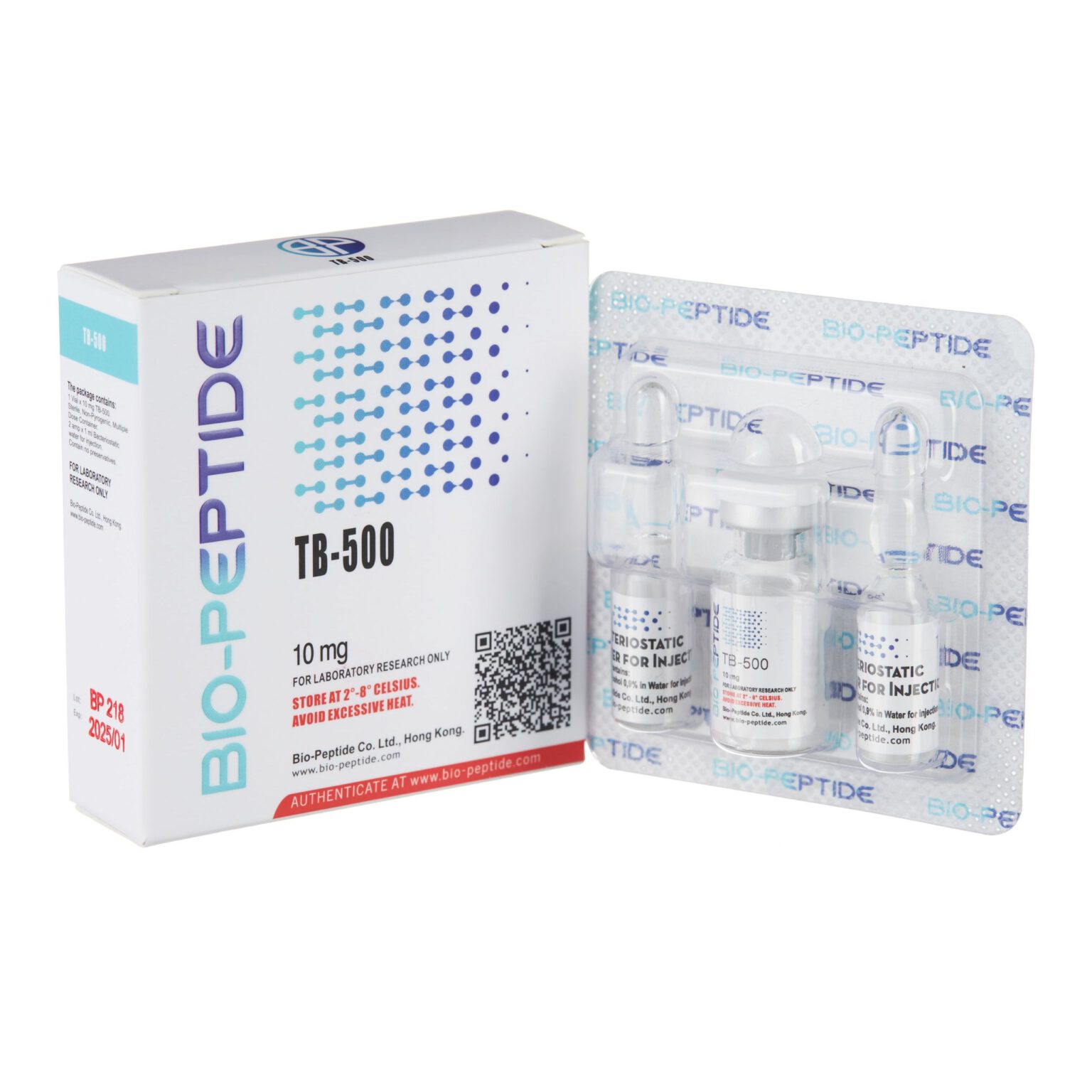
A 5mg vial reconstituted with 1ml bacteriostatic water provides 5mg/ml; 2ml gives 2.5 mg/ml. TB-500 reconstitutes cleanly in bacteriostatic water. It might require somewhat longer to liquify than BPC-157-- allow approximately 10 mins with gentle swirling. Check out this site The lyophilised cake can show up more compact for TB-500 than for smaller peptides; perseverance during dissolution stops over-manipulation. Store at 2-- 8 ° C post-reconstitution, usage within 28 days. Lyophilized peptides endure cold without damage. Reconstituted peptides may experience structural damage from ice crystal formation. If reconstituted peptides ice up, inspectOxidation-sensitive Residues
- The amino acids most vulnerable to oxidation are methionine, cysteine, tryptophan, histidine, and tyrosine.
- Indications of dampness damages include noticeable adjustments to the lyophilized cake.
- Establish schedule reminders for peptides coming close to expiration.
Peptide particles exist in constant movement at the atomic degree. Higher temperature levels enhance this motion, making responsive teams more likely to clash and undergo undesirable chemical changes. Refrigeration moistens molecular movement, essentially putting degradation responses into sluggish motion as opposed to stopping them entirely. And all light-sensitive sequences call for protection from light direct exposure, which can cause photodegradation.
Just How Seekpeptides Supports Peptide Storage
This distinction issues since it implies existing contamination still positions a risk. Sterilized technique during reconstitution stays essential even when utilizing bacteriostatic water. Utilize the tiniest scale needle that allows you to withdraw your dose effectively. This is another factor aliquoting into smaller vials makes sense for multi-week procedures. Instead of piercing the exact same Combination Peptide stopper 30 or 40 times over a month, you penetrate each smaller sized vial only a few times. The middle shelf offers the most regular temperature level.
Frozen powder at -20 C can stay feasible for 2 to five years or longer. The freeze-drying process gets rid of water, and without water, the chain reactions that damage down peptide bonds essentially quit. Ultimately, lyophilized peptides must be reconstituted for usage. This shift drastically changes stability attributes and calls for changed storage techniques. Divide peptides right into single-use parts so you never ever require to refreeze product after defrosting.Using Clean And Sterile Water Instead Of Bacteriostatic
Prevent keeping it near the fridge door, which reveals the vial to the indoor light each time the fridge is opened. A service might look excellent while having lost significant task with improper storage. Proper storage from reconstitution day one is the primary defense versus destruction, not aesthetic inspection alone. The price of a jeopardized vial is much much less than the danger of infusing a weakened peptide. A back shelf setting and opaque storage space box secure the reconstituted vial from temperature swings and light exposure. When you have reconstituted your retatrutide with bacteriostatic water (BAC water), the option needs to enter into the fridge instantly.
Appropriately stored lyophilized peptides are remarkably stable. The minus twenty level freezer is the standard recommendation for long-lasting peptide storage space. At this temperature, many lyophilized peptides remain secure for 3 to five years, with some preserving feasibility also longer. A reconstituted peptide saved at 4 levels Celsius generally remains stable for days to weeks. The exact same peptide in lyophilized form at minus twenty degrees can last three to 5 years. At minus eighty degrees, scientists have documented minimal destruction even after 10 years of storage.